


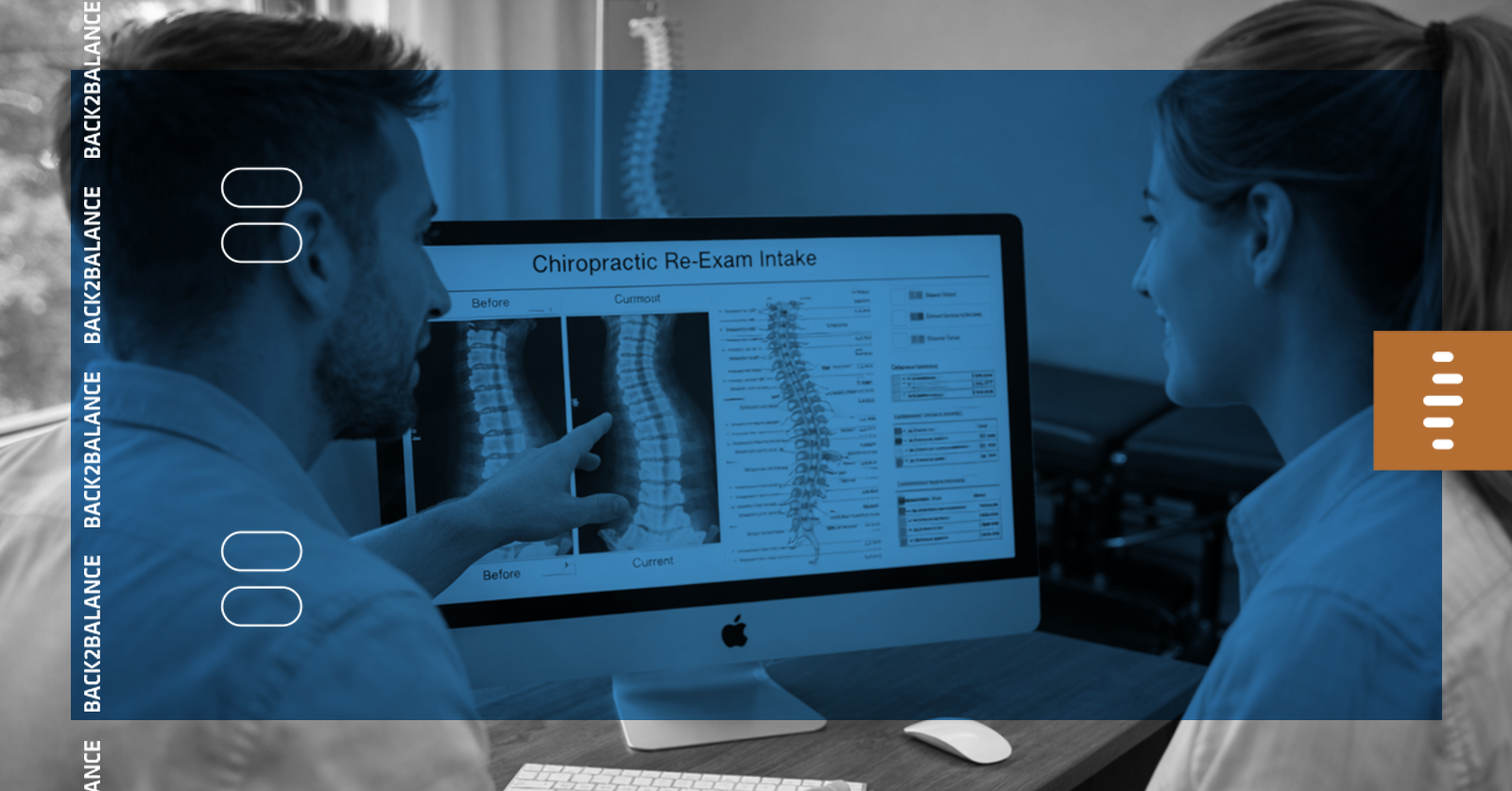
Why Your Re-Exam Results Don’t Always Match How You Feel
Re-examinations are an important part of chiropractic care — but they can sometimes raise questions.
A common one is:
“How can my results look different if I actually feel better?”
It’s a fair question, and understanding it can completely change how you view your progress.
Feeling Better vs Functioning Better
The first thing to understand is that how you feel and how your body is functioning are not always the same thing.
Symptoms, like pain or stiffness, reflect your perception.
Examinations look at how your body is actually working — things like movement, coordination, and nervous system response.
It’s possible to:
- Feel better while underlying patterns are still improving
- Or feel normal even when the body is compensating
This is why chiropractic care doesn’t rely only on symptoms to measure progress.
The Body Is Very Good at Compensating
Over time, the body adapts to stress through compensation.
If one area isn’t moving well, another area may take over.
If something isn’t functioning optimally, the body finds a way to keep going.
This is helpful in the short term — but over time, these patterns can build up.
When chiropractic care begins to improve movement and reduce stress, the body may start to shift out of those compensation patterns.
As that happens, previously hidden imbalances can become more noticeable during exams.


Why Progress Isn’t Always Linear
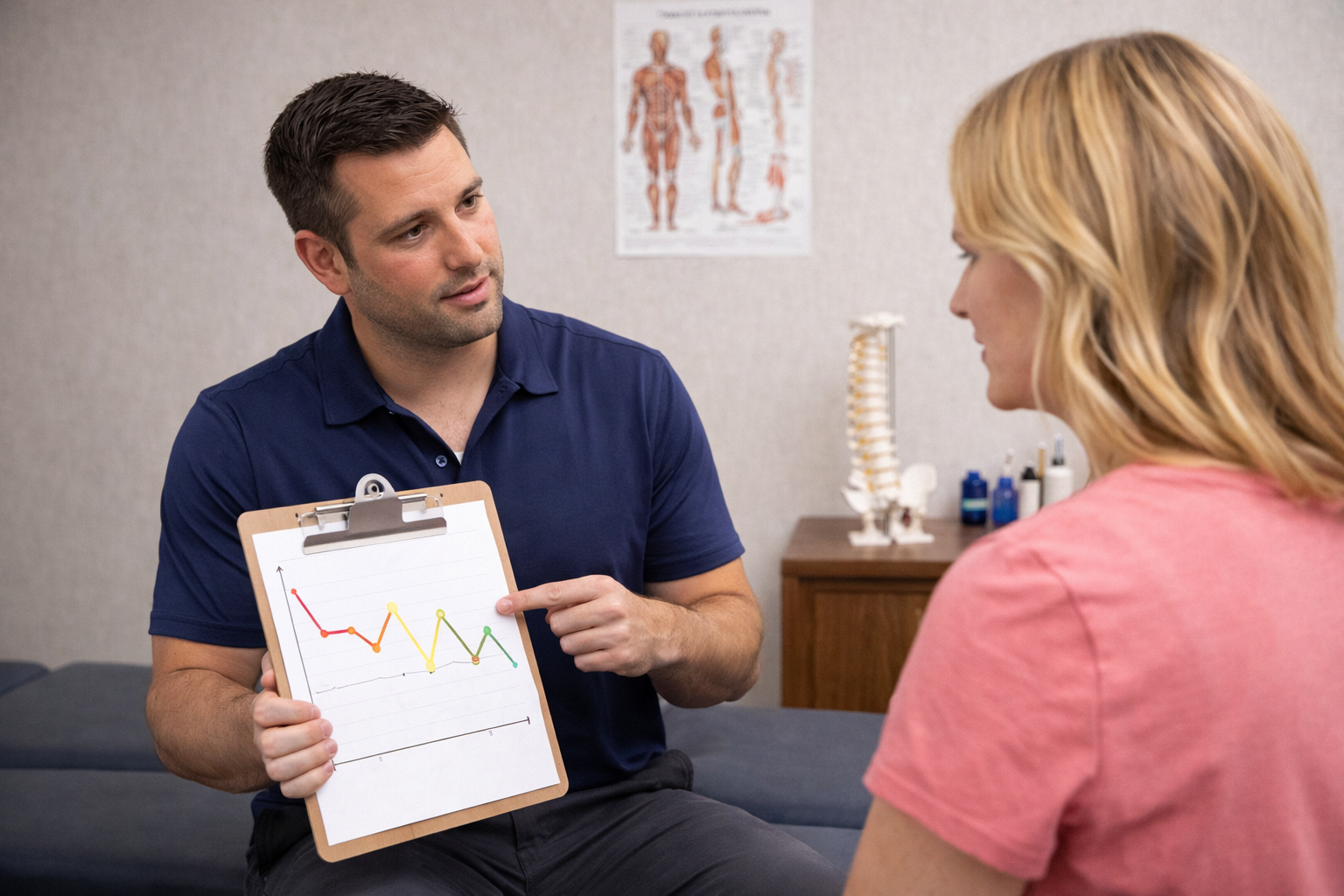
We often expect progress to be straightforward — always improving in a straight line.
But the body doesn’t work that way.
Adaptation happens in phases:
- Sometimes things improve quickly
- Sometimes they stabilise
- Sometimes they change in ways that aren’t immediately obvious
This doesn’t mean something is wrong.
It usually means the body is adjusting and reorganising.
Why Re-Examinations Matter
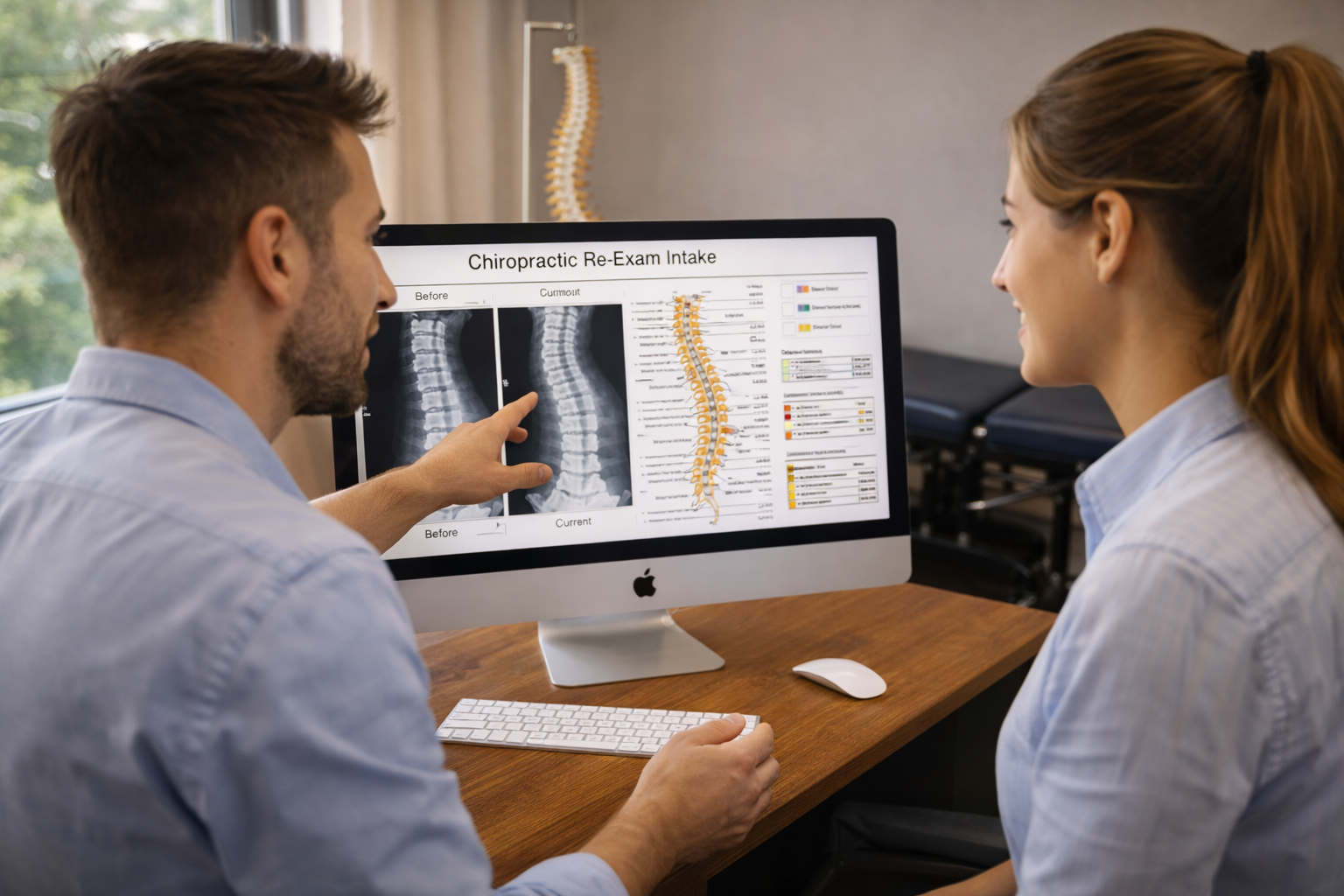
Re-examinations provide an objective way to track what’s really happening.
They help to:
- Measure changes in movement and function
- Identify areas that still need attention
- Guide the next steps in care
Instead of guessing based on symptoms alone, re-exams allow care to be adapted to what your body actually needs.
The Bigger Picture
Chiropractic care isn’t about quick fixes or chasing symptoms.
It’s about:
- Understanding how your body adapts
- Supporting better function over time
- Making informed decisions about your health
When you look at care this way, changes in re-exams make more sense — they’re part of a longer process.
Final Thought
Progress isn’t always about feeling better from one day to the next.
Sometimes it’s about creating deeper, more stable changes that support how your body functions in the long term.
